
Planning an extension often raises concerns about how new construction might affect neighbouring homes. Local planning authorities in the UK assess proposals carefully to ensure that developments do not reduce daylight, create overshadowing, or appear overly dominant next to existing properties. One of the most widely used assessment tools is the 45 degree rule planning guideline, which helps determine whether an extension could negatively affect nearby windows and living spaces. Although the rule is not national law, many councils rely on it as part of residential planning guidance. Understanding how the rule works helps homeowners design extensions that respect neighbour amenity and improves the chances of gaining planning approval.
What Is the 45 Degree Rule in UK Planning?
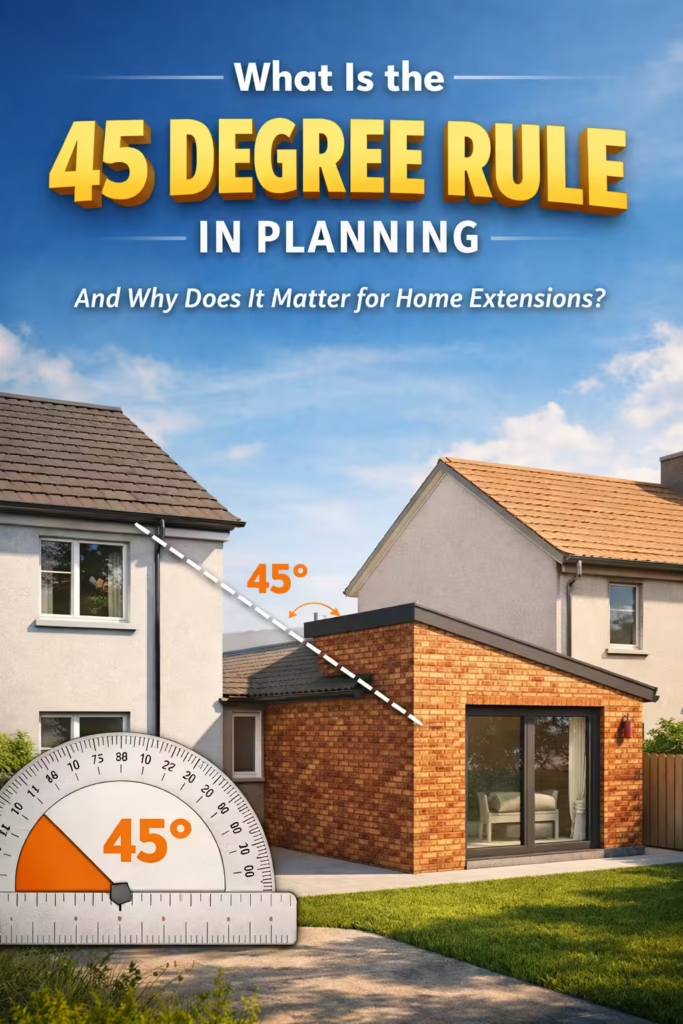
The 45 degree rule in UK planning is a guideline used by local planning authorities to assess whether a proposed extension may block daylight or outlook for neighbouring properties. The rule involves drawing an imaginary 45-degree line from the centre of a neighbouring window, typically a main habitable room window such as a living room or kitchen. If the proposed extension crosses this line, it may be considered to have a harmful impact on the neighbour’s daylight or visual comfort. This planning daylight rule is not a national regulation but a commonly used assessment method in residential planning policies. It helps planning officers evaluate extension proposals in a clear and consistent way while protecting neighbouring living conditions.
Why Do Local Planning Authorities Use the 45 Degree Rule?
Local planning authorities use the 45 degree rule planning guideline to ensure new developments do not harm neighbouring properties. Protecting neighbour amenity is an important part of planning decisions, especially in residential areas where buildings are close together. The rule helps prevent extensions from blocking natural light, creating excessive overshadowing, or appearing overly dominant next to adjacent homes. By using a simple geometric assessment, planning officers can evaluate whether a proposal maintains a fair relationship between properties. Daylight and sunlight planning guidance also supports this process by ensuring homes retain adequate natural light. Overall, the rule promotes balanced development so that homeowners can improve their property without reducing the comfort and enjoyment of their neighbours.
How Does the 45 Degree Rule Work in Practice?
| Rule Name | Primary Purpose | Assessment Method | Point of Origin | Habitable Rooms Included | Key Impact Mitigations | Affected Extension Types |
| 45-Degree Rule | Assess whether a proposed extension may block daylight or outlook (visual relationship) for neighbouring properties. | Drawing an imaginary 45∘ line; checked in both plan view and elevation view. | Centre of the nearest window of a neighbouring property serving a habitable room. | Living rooms, kitchens, and bedrooms. | Stepping back the extension, reducing height or depth, altering roof profiles or slopes, or adjusting massing. | Rear extensions (single and two-storey), side extensions, and occasionally loft conversions or dormers. |
| 25-Degree Rule | Assess daylight obstruction by measuring the vertical angle between a window and a proposed structure. | Vertical angle measured at 25∘ from the neighbouring window. | Centre of a neighbouring window. | Not explicitly listed, but generally applied to main habitable rooms sensitive to daylight loss. | Adjusting the height of the proposed development to remain below the 25∘ vertical threshold. | New developments or extensions that block vertical daylight access. |
In practice, the 45 degree rule extension assessment involves analysing the relationship between a proposed extension and nearby windows. Planning officers use drawings or diagrams to visualise how the extension sits relative to neighbouring buildings. If the extension remains outside the imaginary 45-degree line, the proposal is generally considered acceptable from a daylight perspective. If the extension crosses the line, further assessment may be required to determine the level of impact. The rule is typically checked in both plan view and elevation view to understand how the extension affects surrounding spaces. This process helps ensure that residential extensions are designed with proper consideration for neighbouring homes and their access to light.
Where Is the 45 Degree Line Drawn From?
The 45-degree line is usually drawn from the centre of the nearest window of a neighbouring property that serves a habitable room. Habitable rooms typically include living rooms, kitchens, and bedrooms, as these spaces rely on natural light. The line is projected outward from this point at a 45-degree angle across the site plan. Planning officers then check whether the proposed extension crosses this line when viewed from above. The line may also be tested against property boundaries, extension corners, and rooflines to understand the overall relationship between buildings. This method helps determine whether a new structure could reduce daylight or outlook for neighbouring residents.
How Do Planning Officers Apply the Rule?
Planning officers apply the rule by reviewing architectural drawings submitted with the planning application. First, they draw the 45-degree line from the centre of the neighbouring window. They then compare this line with the footprint and height of the proposed extension. If the extension remains outside the line in both plan and elevation views, it is unlikely to cause significant daylight issues. If it crosses the line, planners consider whether design changes or mitigating factors reduce the impact. Officers may also evaluate overshadowing, scale, and distance between properties. This process allows planning authorities to balance development with neighbour amenity while maintaining consistent decision-making across residential planning cases.
Which Types of Extensions Are Most Affected by the 45 Degree Rule?
Certain types of residential extensions are more likely to be affected by the 45 degree rule planning assessment because of their proximity to neighbouring properties. Rear extensions are among the most common examples, particularly in terraced or semi-detached housing where gardens are shared closely. Side extensions may also influence neighbouring windows or boundaries depending on building layout. Loft conversions and dormers can raise concerns about overlooking or overshadowing, especially when rooflines change significantly. Because these forms of development alter the size and position of a building, planning officers review them carefully to ensure neighbour amenity is preserved.
Rear Extensions
Rear extensions often face the greatest scrutiny because they extend directly toward neighbouring gardens and windows. Single-storey rear extensions are usually easier to accommodate within the 45-degree rule, as their height is limited and their impact on daylight is smaller. Two-storey rear extensions, however, may create greater shading or appear dominant when viewed from adjacent properties. Planning officers typically check how far the extension projects from the existing building line and how its height interacts with neighbouring windows. Careful design adjustments such as stepping back the extension or reducing its height can help maintain compliance with the rule.
Side Extensions
Side extensions can affect neighbouring properties when they are built close to shared boundaries. If a side extension increases building width significantly, it may reduce daylight reaching adjacent windows or outdoor spaces. Planning authorities review the position of the extension relative to neighbouring openings and garden areas. They may also consider whether the extension creates a continuous wall effect that feels overbearing. Designing side extensions with appropriate setbacks, roof slopes, or reduced height can help reduce visual impact and improve planning approval chances.
Loft Conversions and Dormers
Loft conversions and dormer extensions change the roof structure of a property, which can influence how sunlight and views reach neighbouring homes. While these projects often fall under permitted development rules, they can still be assessed under planning daylight guidelines if they require planning permission. Dormer extensions that project toward neighbouring properties may increase overlooking or overshadowing. Planning officers consider roofline height, dormer depth, and window positioning to ensure that nearby residents are not negatively affected. Properly designed loft conversions usually balance additional internal space with minimal external impact.
Does the 45 Degree Rule Apply to All Planning Applications?
The 45 degree rule planning guideline does not apply uniformly across all planning applications because local planning policies vary between councils. Some authorities rely heavily on the rule, while others treat it as a flexible guideline rather than a strict requirement. Planning officers may also consider additional factors such as building orientation, site constraints, and surrounding development patterns. In some situations, an extension that technically crosses the 45-degree line may still receive approval if the overall impact on neighbour amenity is considered acceptable. This demonstrates the importance of planning officer judgement. Local authority planning rules therefore combine technical guidance with professional assessment to reach balanced decisions.
How Is the 45 Degree Rule Different From the 25 Degree Rule?
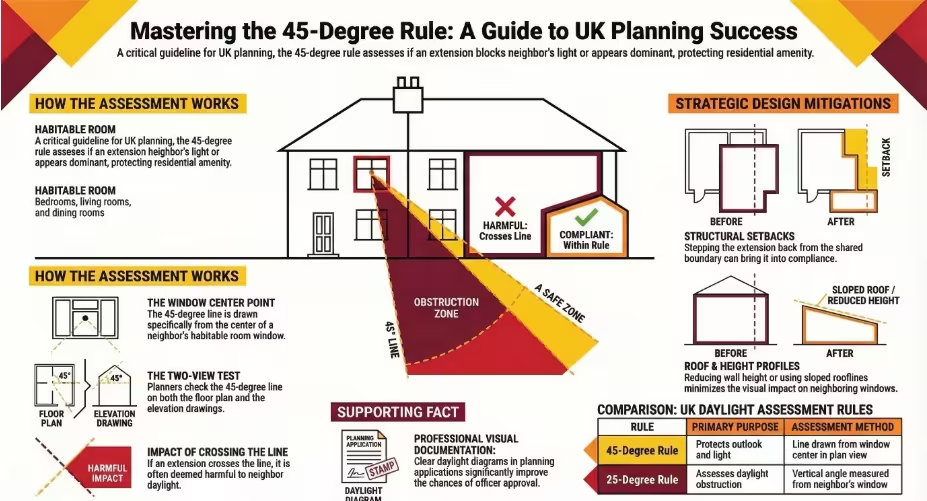
The 45 degree rule and the 25 degree rule both relate to daylight assessment in residential planning but serve different purposes. The 45-degree rule mainly evaluates the visual relationship between buildings and neighbouring windows. The 25-degree rule focuses more directly on daylight access by assessing the vertical angle between a window and a proposed structure. If the new development blocks daylight beyond a 25-degree angle from the centre of a neighbouring window, it may be considered to significantly reduce natural light. Both rules are used as guidance rather than strict legislation, and planning officers may refer to both when reviewing extension proposals.
| Rule | Purpose | Assessment Method |
| 45 Degree Rule | Protect neighbour outlook and light | Line drawn from neighbouring window in plan view |
| 25 Degree Rule | Assess daylight obstruction | Vertical angle measured from neighbouring window |
Together, these daylight planning rules help planning authorities ensure that new extensions maintain a fair balance between development and neighbour amenity.
How Do Architects Assess the 45 Degree Rule During Design?
Architects assess the 45 degree rule planning guideline early in the design process to ensure a proposed extension will not negatively affect neighbouring properties. This begins with careful site and neighbour analysis to understand the relationship between buildings, windows, and boundaries. By studying neighbouring properties, architects identify which windows are most sensitive to daylight loss or overshadowing. They then test different design options to see how an extension might sit within the 45-degree guideline. This architectural planning assessment helps prevent planning refusal and ensures the design respects neighbour amenity while still achieving the client’s spatial goals.
Site and Neighbour Analysis
The first step in the process involves examining the surrounding properties in detail. Architects identify neighbouring windows, especially those serving living rooms or kitchens, as these are most sensitive to daylight impact. Boundaries, garden sizes, and building orientation are also analysed to understand the overall spatial relationship. Accurate site surveys and photographs help create a clear picture of existing conditions. This analysis allows architects to predict how an extension might influence daylight and outlook. Understanding neighbouring windows and boundaries early helps guide responsible design decisions and reduces the risk of conflict with planning daylight rules.
Design Adjustments
If the proposed extension risks breaching the 45-degree line, architects explore design adjustments to reduce its impact. These adjustments may include stepping the extension slightly back from the boundary, altering roof profiles, or reducing the height and depth of the building. Even small changes in scale or position can significantly improve compliance with planning guidance. Thoughtful design solutions often maintain internal space while protecting neighbour amenity. Adjusting the extension’s massing or shape allows architects to find a balance between functional requirements and planning constraints.
Visual Planning Drawings
Architectural drawings play a critical role in demonstrating compliance with the 45-degree rule. Planning drawings for extensions typically include site plans, elevations, and diagrams showing the 45-degree line in relation to neighbouring windows. Daylight diagrams help planning officers visualise the potential impact of a proposed extension. These drawings form part of the planning submission and support the decision-making process. Clear and accurate visual documentation ensures planning authorities can evaluate the design fairly and efficiently.
Can an Extension Be Approved Even If It Breaks the 45 Degree Rule?
Although the 45 degree rule planning guideline is widely used, it is not an absolute legal requirement. An extension that technically crosses the 45-degree line may still receive approval depending on the overall context. Planning officers often assess the scale of the impact, the orientation of the building, and the distance between properties. If the effect on neighbour amenity is considered limited, approval may still be possible. Design solutions such as reducing height, introducing setbacks, or adjusting roof shapes can mitigate the impact. Supporting design statements also help explain why the proposal remains reasonable despite exceeding the guideline.
What Other Planning Considerations Work Alongside the 45 Degree Rule?
Planning authorities rarely rely on the 45-degree rule alone when reviewing residential extensions. Other factors related to residential amenity are considered to ensure the proposal maintains a balanced relationship with neighbouring homes. These include privacy, daylight access, overshadowing, and overall building scale. Together, these assessments provide a more complete picture of how a development may affect surrounding properties. Residential amenity planning therefore looks at both measurable guidelines and visual impact to determine whether a proposal is appropriate within its setting.
Overlooking and Privacy
Overlooking occurs when windows allow direct views into neighbouring homes or gardens. Planning officers consider window positioning carefully to prevent loss of privacy. Design solutions such as repositioning windows, using frosted glass, or introducing screening elements can help reduce overlooking concerns. Setbacks and boundary landscaping may also be used to maintain privacy between properties. These measures ensure that new development does not compromise the comfort and security of neighbouring residents.
Overshadowing and Daylight
Overshadowing is another key concern in residential planning decisions. A large extension may block sunlight reaching neighbouring windows or gardens, particularly during certain times of the day. Planning officers sometimes review sunlight studies or shadow diagrams to understand this impact more clearly. These assessments help determine whether the development significantly reduces daylight levels. Protecting daylight access supports healthy living environments and remains an important principle within residential planning guidance.
Scale and Massing
Scale and massing refer to the overall size, height, and visual presence of a building. Even if an extension meets technical daylight rules, it may still appear overly dominant when viewed from neighbouring properties. Planning officers assess how the new structure fits within the existing street or garden context. Design adjustments such as stepping building lines, reducing roof heights, or using lighter materials can help soften visual impact and maintain a balanced relationship between properties.
How Does the 45 Degree Rule Affect Permitted Development Rights?
The 45-degree rule generally applies to projects that require full planning permission rather than those built under permitted development rights. Permitted development allows certain home extensions to be built without submitting a full planning application, provided they meet national size and height limits. However, neighbour impact can still be considered through processes such as the neighbour consultation scheme for larger rear extensions. In these cases, local authorities review whether the proposal significantly affects neighbouring properties. Although the 45-degree rule may not be formally applied under permitted development, similar concerns about daylight and neighbour amenity still influence decision-making.
How Can Homeowners Check the 45 Degree Rule Before Submitting a Planning Application?
Homeowners can carry out simple checks to understand whether their proposed extension may comply with the 45-degree rule. Reviewing neighbouring windows and measuring distances between properties can provide an early indication of potential planning issues. While these checks are useful, professional advice usually offers a more accurate assessment. Architects and planning consultants can analyse the site, prepare diagrams, and identify design adjustments before a planning application is submitted. Taking these steps early helps homeowners avoid delays and improves the chances of planning approval.
Basic Homeowner Checks
Basic checks can help identify potential conflicts with planning daylight rules. Homeowners can measure the distance between the proposed extension and neighbouring windows or boundaries. They can also review how far the extension will project into the garden. Simple sketches or online planning guidance may provide further clarity. These early checks help highlight whether professional planning advice is needed.
Professional Planning Advice
Professional planning advice provides a more reliable assessment of the 45-degree rule. Architects can conduct feasibility studies that evaluate daylight impact, neighbour relationships, and planning policy. They may also arrange pre-application discussions with local planning officers to understand council expectations. This early guidance helps refine the design and reduce the risk of planning refusal.
Why Is Early Architectural Design Important for Meeting the 45 Degree Rule?
Early architectural design plays an important role in meeting planning requirements such as the 45-degree rule. When design decisions are considered early, potential conflicts with neighbouring properties can be resolved before planning submission. Architects can test multiple design options and adjust the scale, position, or height of the extension. This approach prevents costly redesign later in the process. Designing within planning constraints also helps maintain good relationships with neighbours, which can be valuable during the planning consultation stage. Early design thinking therefore saves time, reduces risk, and improves project outcomes.
How Do Architects Balance Planning Compliance With Good Design?
Architects must balance technical planning requirements with the need to create functional and attractive spaces. Compliance with rules such as the 45-degree guideline is essential, but it should not compromise the quality of the final design. By carefully shaping building forms and layouts, architects can protect neighbour amenity while maintaining internal comfort and usability. This process requires creative thinking, technical understanding, and close collaboration with clients and planners.
Protecting Neighbour Amenity
Responsible design ensures neighbouring homes continue to receive daylight, privacy, and a reasonable outlook. Architects evaluate the relationship between properties and adjust designs where necessary to reduce negative impacts. Protecting neighbour amenity helps create a positive planning outcome and supports harmonious neighbourhood development.
Maintaining Internal Space Quality
Even with planning constraints, extensions must still provide comfortable living spaces for homeowners. Architects adjust layouts, window placements, and ceiling heights to maintain good daylight and usability inside the home. This ensures that planning compliance does not reduce the quality of internal living environments.
Delivering Buildable Solutions
Architectural ideas must also remain practical and buildable. Structural feasibility, construction methods, and material choices are considered during the design process. By balancing planning compliance with construction reality, architects ensure the final design can be delivered effectively.
How Does Formi Architecture Approach Planning Rules Like the 45 Degree Rule?
Formi Architecture approaches planning rules through careful early analysis and thoughtful design strategies. Each project begins with an assessment of planning constraints, including neighbour amenity and daylight considerations. Designs are developed with sensitivity to surrounding properties, ensuring proposals remain respectful of the local context. Clear communication with planning authorities supports transparent decision-making and helps avoid misunderstandings. Experience with residential planning constraints allows the practice to identify practical solutions that satisfy both planning guidance and client objectives.
What Should Homeowners Know Before Designing an Extension Near Neighbours?
Homeowners planning an extension should understand that planning authorities place strong emphasis on neighbour amenity. Extensions that reduce daylight, privacy, or outlook may face objections or planning refusal. Seeking professional design advice early helps identify potential issues and refine the proposal. Clear communication with neighbours can also reduce the likelihood of disputes during the planning process. By understanding planning limitations and preparing carefully, homeowners can design extensions that improve their homes while maintaining positive relationships with neighbouring properties.
Why Does the 45 Degree Rule Continue to Influence Residential Planning Decisions?
The 45-degree rule remains influential because it provides a clear and practical method for protecting neighbour amenity. It helps planning authorities balance private development with shared community interests. By preventing extensions that overly dominate neighbouring homes, the rule supports fair and sustainable urban development. It also promotes neighbourhood harmony by ensuring properties maintain access to daylight and comfortable living conditions. As residential areas continue to evolve, the 45-degree rule remains an important guideline that helps manage development responsibly and maintain positive relationships between neighbouring homes.