Applying for planning permission can feel uncertain, especially when projects are refused without clear understanding of why. Many homeowners assume approval depends only on design preference, but in reality, planning decisions follow structured rules, policies, and site-specific considerations. Refusals often happen when proposals fail to meet these requirements rather than because of a single issue. Understanding what reasons planning permission can be refused helps reduce risk and improves the chances of approval. By identifying common planning permission issues early, homeowners and developers can adjust their proposals before submission. This guide explains the key reasons for refusal in the UK and how planning authorities assess applications.
Why Do Planning Applications Get Refused in the UK?
Planning applications are refused when proposals fail to meet local planning policies or negatively impact surrounding properties and environments. Local planning authorities review each application based on policy compliance, site context, and potential effects on neighbours. The decision process involves assessing design, scale, access, environmental impact, and community considerations. Planning permission refusal in the UK is often linked to conflicts with established guidelines rather than personal judgement. Without a clear design strategy, applications may overlook critical factors such as daylight, privacy, or local character. Understanding why planning permission is refused helps applicants align proposals with policy requirements and reduce the likelihood of rejection.
What Are the Most Common Reasons Planning Permission Is Refused?
Planning permission is most commonly refused due to issues that affect neighbour amenity, design quality, or policy compliance. These reasons are consistent across many UK planning authorities and reflect broader planning principles. Identifying these issues early allows applicants to refine their proposals and improve approval chances. Below are the top reasons planning permission is refused, based on common planning refusal reasons in the UK.
1. Does the Proposal Harm Neighbouring Amenity?
One of the most frequent reasons for refusal is harm to neighbouring amenity. This includes loss of daylight, reduced sunlight, overlooking, and an overbearing sense of enclosure. Extensions that block light or dominate neighbouring gardens can significantly affect living conditions. Planning officers carefully assess how a proposal interacts with adjacent properties. If the development reduces comfort, privacy, or outlook, it is likely to be refused. Protecting neighbour amenity remains a core principle in residential planning decisions.
2. Does the Design Conflict With the Character of the Area?
Planning authorities expect new development to reflect the existing character of the area. This includes building scale, materials, architectural style, and layout. Proposals that appear out of place or disrupt the streets cape may be refused. Local identity plays an important role in maintaining cohesive neighbourhoods. Even well-designed buildings can be rejected if they do not fit their surroundings. Planning officers assess how a proposal contributes to or detracts from the overall character of the area.
3. Does the Proposal Fail to Meet Local Planning Policies?
Local planning policies form the foundation of all planning decisions. Applications that conflict with these policies are likely to be refused. Policies may relate to building size, land use, environmental protection, or housing standards. Supplementary planning documents often provide additional guidance. Policy-led refusal reasons are among the most common causes of rejection. Understanding local plans before designing a project is essential to ensure compliance and avoid unnecessary delays.
4. Is the Design Quality Considered Poor?
Poor design quality can lead to planning refusal even if other requirements are met. This includes inefficient layouts, inadequate room sizes, poor natural light, and lack of usability. Planning authorities expect proposals to provide functional and comfortable spaces. A weak architectural response may indicate that the design has not fully considered user needs or site conditions. High-quality design improves both approval chances and long-term value of the property.
5. Does the Development Cause Traffic or Parking Issues?
Traffic and parking concerns are another common reason for refusal. Developments that increase congestion, reduce parking availability, or create unsafe access points may be rejected. Planning officers review how vehicles will enter and exit the site and whether sufficient parking is provided. Highway safety is a key factor in these decisions. Even small residential projects can face refusal if they negatively affect local transport conditions.
6. Does It Affect Heritage Assets or Listed Buildings?
Proposals that impact heritage assets or listed buildings are subject to stricter scrutiny. Planning authorities aim to preserve historic character and cultural significance. Changes that alter the appearance, structure, or setting of a listed building may be refused. Conservation areas also require sensitive design that respects existing architecture. Applicants must demonstrate that their proposals preserve or enhance heritage value rather than harm it.
7. Is There a Loss of Privacy or Overlooking?
Loss of privacy is closely related to neighbour amenity but is often considered separately. Window placement, balcony design, and building orientation can all lead to overlooking issues. If a proposal allows direct views into neighbouring homes or gardens, it may be refused. Planning officers assess how the design affects privacy and whether mitigation measures are in place. Maintaining privacy between properties is a key requirement in residential planning.
8. Does the Proposal Lead to Overshadowing or Loss of Light?
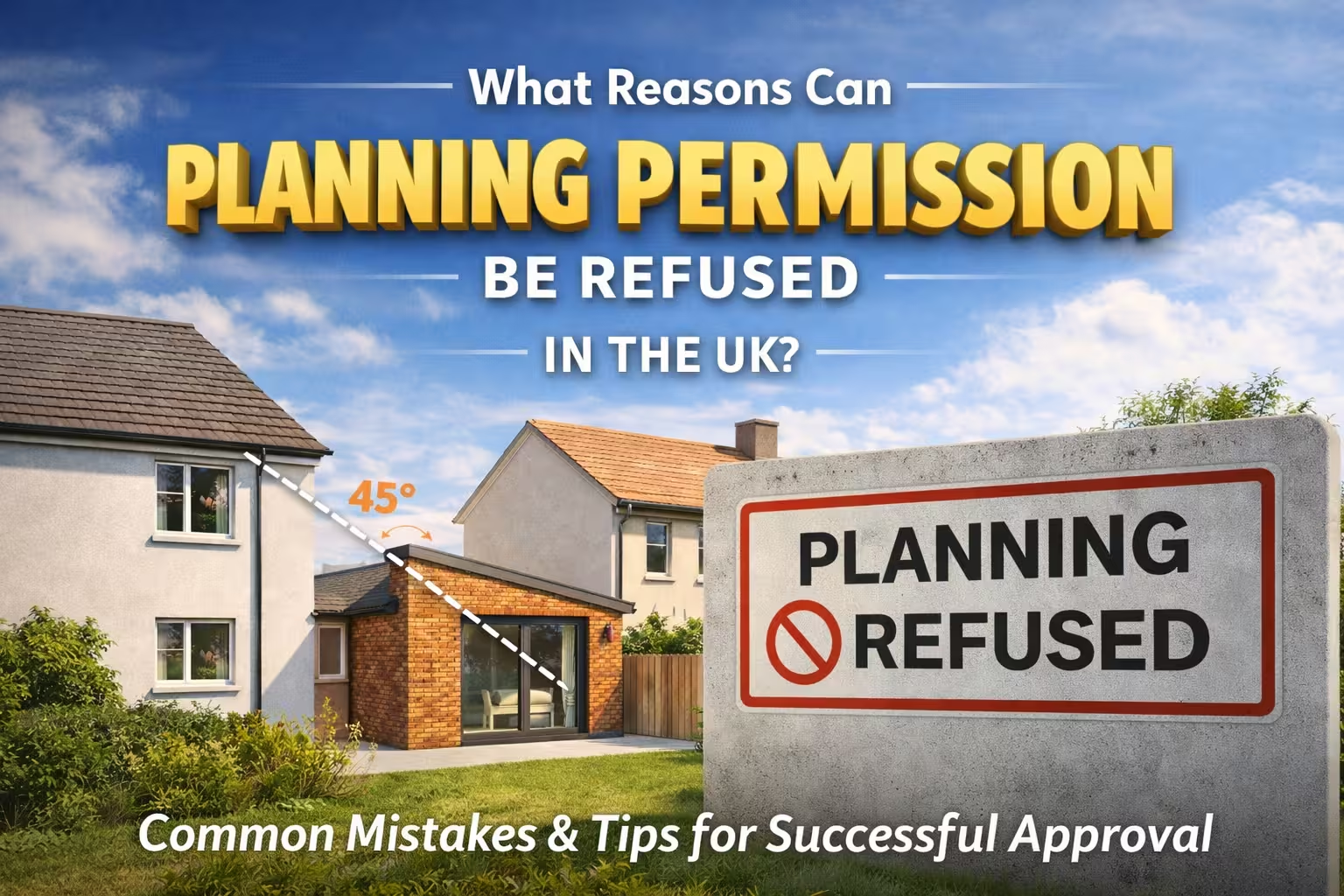
Overshadowing occurs when a new structure blocks sunlight from reaching neighbouring properties. Planning authorities use guidelines such as the 45-degree and 25-degree rules to assess this impact. Excessive overshadowing can reduce the usability of gardens and internal spaces. If a development significantly limits access to natural light, it is likely to be refused. Daylight and sunlight considerations are central to planning decisions.
9. Is the Site Located in Green Belt or Protected Land?
Development within Green Belt or protected land is heavily restricted. Planning authorities aim to prevent urban sprawl and preserve open landscapes. Applications in these areas require strong justification and must demonstrate very special circumstances. Without this, proposals are likely to be refused regardless of design quality. Green Belt restrictions are among the strictest planning controls in the UK.
10. Are There Environmental or Sustainability Concerns?
Environmental issues can also lead to planning refusal. These include flood risk, biodiversity loss, poor drainage, and unsustainable construction practices. Planning authorities assess how developments affect natural systems and local ecosystems. Proposals that fail to address these concerns may be rejected. Sustainable design and environmental responsibility are increasingly important in modern planning decisions.
How Do Planning Policies Influence Refusal Decisions?
Planning policies are the primary framework used by local authorities to assess applications. Every proposal must align with both national and local planning guidance. Understanding how these policies operate is essential for avoiding refusal.
What Role Do Local Plans and Planning Frameworks Play?
Local plans set out development guidelines for each area, including land use, building scale, and environmental protection. These are supported by the National Planning Policy Framework (NPPF), which provides broader national guidance. Together, they form the basis of planning decisions. Applications are reviewed against these policies to ensure consistency and fairness.
Why Policy Conflict Is a Leading Cause of Refusal
Policy conflict is one of the most common reasons planning permission is refused. Even well-designed proposals can fail if they do not align with planning policy. This often occurs when applicants prioritise personal preferences over regulatory requirements. Successful applications balance design intent with policy compliance, ensuring proposals meet both creative and legal expectations.
How Does Site Context Affect Planning Approval or Refusal?
Site context plays a major role in determining whether a planning application is approved or refused. Planning authorities assess how a proposal fits within its surroundings, rather than judging it in isolation. This includes neighbouring buildings, street patterns, and the relationship between properties. A design that works well on one site may be refused on another due to differences in layout, scale, or orientation. Understanding context allows proposals to respond appropriately to their environment. Planning decisions are therefore shaped by how well a development integrates with its setting, ensuring that changes support rather than disrupt the existing character and function of the area.
Why Surrounding Properties Matter
Surrounding properties influence how a development is perceived and assessed. Planning officers examine neighbour relationships, including window positions, garden boundaries, and building heights. Existing building patterns also play a role, such as consistent rooflines or spacing between houses. If a proposal breaks these patterns or negatively affects neighbouring homes, it may be refused. Respecting the established context helps maintain a balanced and cohesive neighbourhood.
How Constraints Influence Design Decisions
Every site has constraints that affect what can be built. Plot size, orientation, and access all shape the design process. For example, a narrow plot may limit extension width, while orientation affects daylight and overshadowing. Access considerations can influence layout and parking arrangements. Architects use these constraints to guide design decisions, ensuring proposals remain practical and compliant with planning expectations.
Can Neighbours Object and Cause Planning Permission to Be Refused?
Neighbours can submit objections to planning applications, but these objections alone do not determine the outcome. Planning decisions are based on valid planning considerations rather than personal opinions. For example, concerns about loss of privacy or daylight may influence a decision, while objections based on dislike of the design may not. Understanding the difference between planning objections and valid reasons is important for applicants.
Neighbour concerns can influence decisions when they highlight genuine planning issues. However, common myths suggest neighbours can block planning permission entirely, which is not accurate. Planning authorities assess each application against policy and evidence, not simply the number of objections received. Clear, policy-compliant design reduces the likelihood of objections leading to refusal.
What Planning Issues Are Often Misunderstood by Homeowners?
Many homeowners misunderstand how planning decisions are made, which can lead to avoidable mistakes. Some believe that personal preference or neighbour opinion determines approval, while in reality, decisions are based on policy and measurable impact. Understanding these misconceptions helps applicants approach planning more effectively.
What Councils Cannot Refuse Planning Permission For
Planning authorities cannot refuse applications based on reasons that are not material planning considerations. These include personal dislike of a proposal, competition between properties, or minor visual preferences that do not affect the wider area. Decisions must be based on planning policy, design impact, and environmental factors rather than subjective opinions.
Common Mistakes That Lead to Refusal
Several common mistakes increase the likelihood of refusal:
- Ignoring local planning policies
- Submitting incomplete or poor-quality drawings
- Failing to consider neighbour impact
- Proceeding without professional advice
Avoiding these errors helps create stronger, more compliant planning applications.
How Can You Avoid Planning Permission Being Refused?
Avoiding planning refusal requires a clear strategy that considers policy, design, and site context from the outset. Successful applications are rarely accidental; they are the result of informed design decisions and careful preparation. Understanding planning permission tips in the UK helps applicants reduce risk and improve outcomes.
Why Early Design Strategy Is Critical
Early design strategy allows potential issues to be identified before submission. Feasibility studies assess site constraints, planning policies, and neighbour relationships. This early understanding helps shape proposals that are more likely to gain approval. Addressing risks at the start reduces the need for costly redesign later.
How Architects Improve Approval Chances
Architects play a key role in improving approval chances by applying policy-led design and neighbour-sensitive planning. They understand how planning authorities assess proposals and can adjust designs to meet expectations. This includes managing scale, layout, and visual impact to align with planning requirements.
Key Steps to Reduce Risk
- Seek pre-application advice from the local council
- Prepare accurate planning drawings and supporting reports
- Assess neighbour impact carefully
- Ensure compliance with local planning policies
These steps help create a strong and well-supported application.
What Should You Do If Your Planning Permission Is Refused?
Planning refusal does not necessarily mean a project cannot proceed. Understanding the reasons for refusal allows applicants to respond effectively and improve their proposal. There are several options available depending on the circumstances.
Should You Resubmit a Revised Application?
Resubmitting a revised application is often the most practical option. This involves addressing the issues identified in the refusal notice, such as reducing scale or improving design quality. Redesign is usually more effective than appealing if the original proposal clearly conflicts with policy.
When Is It Worth Appealing a Planning Refusal?
Appealing may be appropriate if the refusal is considered unreasonable or inconsistent with planning policy. Appeals are handled by the Planning Inspectorate and involve a formal review process. This can take time, so applicants should weigh the likelihood of success before proceeding.
How to Analyse Refusal Reasons Properly
Carefully reviewing the decision notice helps identify why the application was refused. Each reason should be addressed clearly in any revised proposal. Learning from refusal reasons improves future applications and reduces the risk of repeated rejection.
How Do Architects Help Prevent Planning Refusals?
Architects help prevent planning refusals by combining design expertise with a strong understanding of planning policy. Their role is to guide projects from concept to submission while reducing risk at each stage. This professional input is essential for achieving successful outcomes.
Planning Expertise and Local Knowledge
Architects understand local authority expectations and how policies are applied in practice. This knowledge allows them to design proposals that align with planning requirements from the outset.
Design That Balances Compliance and Quality
Good design must meet planning rules while still providing functional and attractive spaces. Architects balance compliance with creativity, ensuring projects are both practical and well-designed.
Managing Risk Through the Design Process
Architects identify potential planning issues early and adjust designs accordingly. This proactive approach avoids costly redesign and improves approval rates.
How Does Formi Architecture Approach Planning Permission and Refusal Risks?
Formi Architecture approaches planning with a focus on early analysis, clear strategy, and informed design decisions. Each project begins with a detailed feasibility assessment to identify constraints and opportunities. Designs are developed in line with planning policy while maintaining quality and usability. Experience with UK residential planning allows the practice to anticipate potential issues and address them early. Clear communication with planning authorities supports a smooth application process and reduces uncertainty.
Is Planning Permission Refusal Always a Negative Outcome?
Planning refusal can be seen as an opportunity to improve a proposal rather than a final setback. Feedback from planning authorities highlights areas that require adjustment, allowing applicants to refine their designs. This process often leads to stronger, more considered outcomes. Improving a proposal after refusal can increase long-term value by ensuring the final design is both compliant and functional. Rather than viewing refusal as failure, it can be part of a process that leads to better results.
What Should Homeowners Know Before Submitting a Planning Application?
Homeowners should understand that preparation is key to a successful planning application. This includes researching planning policies, assessing site constraints, and considering neighbour impact. Early professional advice can help identify potential risks and improve design quality. Understanding the planning process reduces uncertainty and increases confidence in decision-making. By approaching planning with a clear strategy and realistic expectations, homeowners can improve their chances of approval and achieve better long-term outcomes for their projects.