Designing a 300 sq ft apartment in the UK requires precision planning, multifunctional design, and strict attention to space efficiency. At approximately 28 square metres, this size falls below typical UK one-bedroom standards, so every layout decision matters. The goal is to maximise functionality without compromising comfort. Whether the flat is for personal use, rental income, or short-term lets, efficient zoning, smart furniture, and vertical storage are essential to make the space feel practical and spacious rather than cramped.
Understanding Space Standards and Constraints in the UK
A 300 sq ft apartment equals roughly 28 sqm, which is smaller than the minimum recommended size under the Nationally Described Space Standard. While some developments meet exceptions, designers must still comply with UK Building Regulations covering ventilation, fire safety, ceiling heights, and access. Ceiling heights typically range from 2.3m to 2.6m, influencing storage and mezzanine options. Understanding these constraints early ensures the design remains compliant while still achieving maximum usability.
In cities like London, micro-apartments are more common due to high property prices, whereas regional cities may offer slightly larger layouts. London flats often rely on open-plan studios to maintain flow, while regional developments sometimes allow compact one-bedroom designs. Local planning policies and fire regulations can affect partitioning options, especially in conversions. Therefore, checking building-specific requirements is critical before finalising the layout.
Planning the Most Efficient Layout for a 300 Sq Ft Flat
The most efficient approach is usually an open-plan studio layout. Keeping the kitchen along one wall allows the remaining space to remain flexible. Circulation paths should remain clear from the entrance to the window, preventing the apartment from feeling blocked. Furniture placement should guide movement naturally. Avoid central obstructions and ensure at least 600–750mm of walking clearance around main areas to maintain usability.
If privacy is a priority, a micro one-bedroom layout can be achieved using sliding partitions or glass dividers. Solid walls often make small flats feel tighter, so translucent panels are preferable. Raised platform beds with integrated drawers help separate sleeping zones without adding bulk. Pocket doors are ideal because they eliminate door swing space. This approach works best when ceiling height allows comfortable proportions.
Space Zoning Strategies That Maximise Functionality
Effective zoning prevents a 300 sq ft apartment from feeling chaotic. Divide the flat into four functional areas: bathroom, kitchen, living, and sleeping. Use rugs, lighting, and furniture placement to visually separate each zone. For example, a sofa facing away from the bed can create psychological division. Keeping consistent flooring throughout maintains visual continuity while still defining activity areas.
Lighting plays a major role in zoning. Install ceiling lights for general illumination, wall sconces near the bed, and under-cabinet lights in the kitchen. Layered lighting prevents harsh shadows and improves perceived space. Avoid bulky floor lamps that consume valuable square footage. Instead, rely on wall-mounted or ceiling-mounted fixtures to maintain openness.
Choosing Multifunctional Furniture for Small UK Apartments
Furniture selection determines whether the apartment feels spacious or cluttered. A sofa bed or Murphy bed is often essential in studio layouts. Fold-down desks and extendable dining tables allow flexibility without permanent space occupation. Storage ottomans, nesting tables, and beds with drawers reduce the need for extra cabinets. Always prioritise slim, elevated furniture with visible floor underneath to maintain a light visual feel.
UK homeowners frequently source compact furniture from brands like IKEA, Habitat, and Made.com. These retailers offer modular systems suited to smaller flats. Built-in wardrobes that extend to the ceiling are particularly valuable, as they eliminate dead space and reduce the need for additional storage units.
Designing a Compact and Practical Kitchen in 300 Sq Ft
In a 300 sq ft apartment, the kitchen should ideally occupy a 2.2 to 2.6 metre wall run. A two-ring hob is often sufficient for single occupants and frees up counter space. Slimline 45cm dishwashers and combined washer-dryers are practical in UK flats where separate utility rooms are rare. An under-counter fridge also saves vertical bulk while maintaining functionality.
Opt for handleless cabinets and integrated appliances to keep the design streamlined. Gloss or satin finishes reflect light, making the kitchen appear larger. Installing cabinets up to the ceiling maximises storage while maintaining a clean appearance. Keep the work triangle compact to avoid unnecessary movement in limited space.
Bathroom Design Ideas for a 300 Sq Ft UK Apartment
Bathrooms in compact UK flats usually measure between 30 and 35 sq ft. A 1200mm shower tray is more practical than a bathtub, which consumes excessive space. Wall-hung toilets create visual openness and simplify cleaning. Corner sinks or narrow vanity units help maintain circulation space within tight dimensions.
Sliding or pocket doors are ideal for bathrooms in micro-apartments because they eliminate swing clearance. A walk-in shower with a clear glass screen maintains openness compared to framed enclosures. Light tiles and large-format wall finishes minimise grout lines, enhancing the sense of space.
Maximising Vertical Storage and Hidden Space
Vertical storage is essential in small apartments. Floor-to-ceiling cabinetry ensures no upper wall space is wasted. Installing shelving above door frames or using tall wardrobes significantly increases storage capacity. Raised sleeping platforms can incorporate drawers or pull-out storage beneath, particularly useful if ceiling height exceeds 2.4 metres.
Hidden storage prevents clutter from overwhelming the flat. Under-bed compartments, integrated seating storage, and wall-mounted cabinets reduce visible mess. Maintaining organised storage zones ensures the apartment remains functional and visually calm over time.
Lighting and Colour Strategies to Make 300 Sq Ft Feel Bigger
Light neutral colours such as warm white, soft beige, or light grey create a sense of openness. Using one consistent flooring material throughout the apartment avoids visual fragmentation. Mirrors placed opposite windows reflect natural light and enhance brightness. Avoid dark feature walls that can visually shrink the space.
Layered lighting improves depth perception. Combine ceiling-mounted fixtures, wall lights, and under-cabinet illumination for balanced brightness. Avoid heavy curtains that block light; sheer or light-filtering blinds are better suited for compact flats.
Common Design Mistakes to Avoid in Small UK Flats
Oversized sofas and bulky furniture quickly dominate limited square footage. Avoid multiple small storage units that fragment the layout. Insufficient built-in storage leads to clutter accumulation, reducing functionality. Dark colour schemes without adequate lighting can make the flat feel oppressive.
Another common mistake is poor circulation planning. Blocking natural light sources or placing furniture in the centre of the room restricts movement. Always prioritise flow and openness when finalising the layout.
Example 300 Sq Ft Layout Plan (Practical Concept)
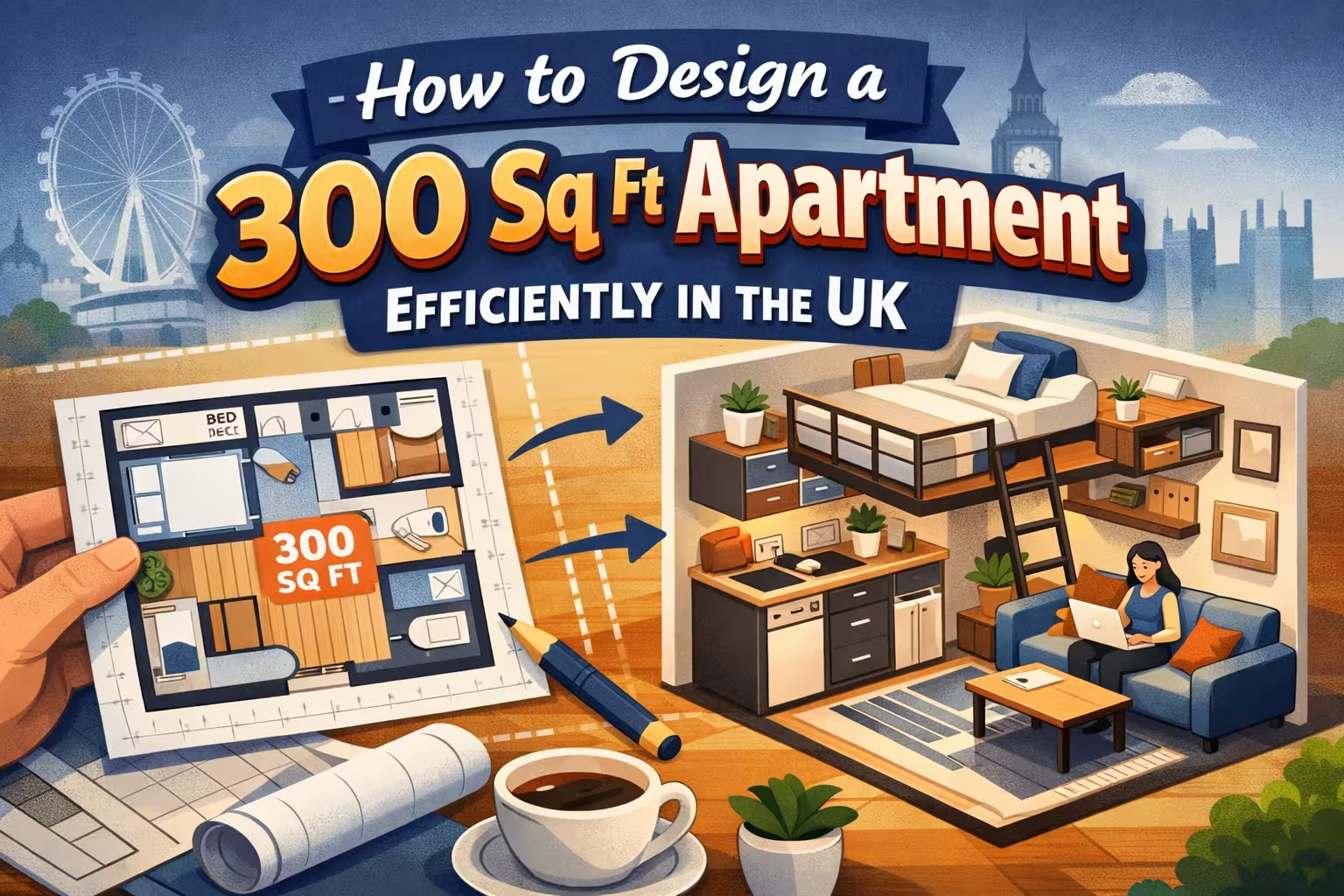
A practical layout places the kitchen along one wall near the entrance, keeping plumbing concentrated. The bathroom sits adjacent to the kitchen to share services. The main living space occupies the window-facing area to maximise natural light. A sofa bed or wall bed allows daytime flexibility while maintaining sleeping comfort at night.
Built-in wardrobes should line one wall to consolidate storage. Keeping the central floor area open ensures smooth movement and prevents the apartment from feeling overcrowded. Strategic zoning and minimal partitions help the space feel cohesive and efficient.
Why Choose Formi Architecture for Smart Small Apartment Design in the UK
At Formi Architecture, we specialise in designing efficient, high-performance small living spaces that maximise every square foot. A 300 sq ft apartment requires more than aesthetic planning, it demands strategic space optimisation, compliance with UK regulations, and intelligent storage integration. Our approach focuses on functionality, natural light, and seamless spatial flow to ensure compact homes feel open and comfortable.
We understand the challenges of designing below the recommendations of the Nationally Described Space Standard. From layout planning and space zoning to bespoke joinery and built-in storage solutions, our team creates tailored designs that align with UK Building Regulations while enhancing liveability. Every project is approached with precision to ensure the space works practically for everyday life.
Whether you are developing a micro-apartment in London or optimising a compact flat elsewhere in the UK, Formi Architecture provides design strategies that balance innovation with compliance. We focus on intelligent layouts, multifunctional design elements, and clean modern aesthetics to transform limited square footage into efficient, elegant homes.